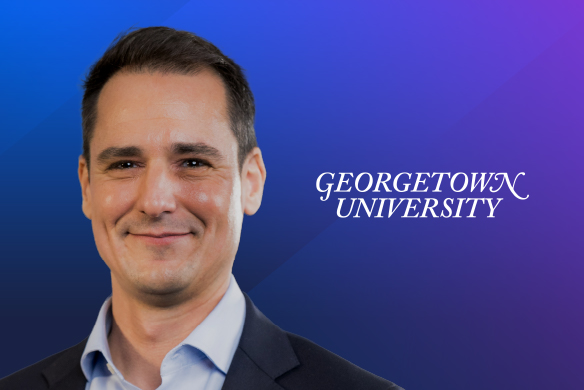


As organizations grapple with constant disruption, workforce decisions can no longer be made in isolation. In conversation with Avature Founder and CEO Dimitri Boylan at #AvatureUpfront APAC, James Elliott explores why strategic workforce planning has become one of HR’s most critical responsibilities. Their discussion reframes talent acquisition as a strategic advisory partner, capable of shaping business outcomes through data, foresight and deep market insight.
5 key takeaways from James Elliott on strategic workforce planning
- Strategic workforce planning requires HR involvement early, before decisions harden around job design and delivery models.
- Talent acquisition holds powerful external and internal market data, positioning it as a natural strategic advisory function.
- Data-driven talent strategy strengthens HR’s credibility, making it harder for leaders to ignore workforce realities.
- Internal mobility is workforce planning in action, unlocking hidden skills already inside the organization.
- Business intimacy is the defining skill of the modern recruiter, enabling meaningful influence at the leadership table.
From Support Function to Strategic Advisory
Elliott is clear: HR’s exclusion from strategic workforce planning is no longer sustainable. For too long, organizations have built business strategies on the assumption that talent will simply be available when needed. Recent volatility, from pandemic disruption to skills shortages, has exposed the fragility of that thinking. Strategic workforce planning now demands an integrated view of supply, demand, location, skills and time, and HR is uniquely positioned to bring that lens.
Yet participation requires preparation. Elliott emphasizes that HR earns its place at the table by showing up with evidence. A data-driven talent strategy—grounded in market intelligence, internal capability data, and historical hiring patterns—transforms conversations with business leaders. Rather than reacting to demand, recruiters can advise on feasibility, alternatives and trade-offs. In this model, recruiting becomes a strategic advisory discipline, not an execution arm.
Internal mobility further strengthens this role. By mapping skills, identifying adjacencies and mobilizing talent already in the organization, HR helps leaders see workforce planning as a dynamic system rather than a static headcount exercise. These insights don’t live in an ivory tower; they are built through ongoing dialogue, transparency and trust between HR and the business.
You have to bring data to the table to be in those conversations. It’s hard to turn down good data.”
James Elliott
Talent Thought Leader
Listen to the full episode to hear James Elliott and Dimitri Boylan discuss strategic workforce planning, strategic advisory leadership, and building a data-driven talent strategy that earns HR a seat at the table.